Why roasting closer to origin matters
By Colombian Coffees Australia4 min read
Imported roasted coffee reaches Australia weeks after roasting. Here is why the coffee still arrives better than green beans roasted far from the farm.
Most specialty coffee in Australia is imported green and roasted locally. Our brands do the opposite: they roast in Colombia, days after harvest, and ship the finished product.
What green coffee loses in transit
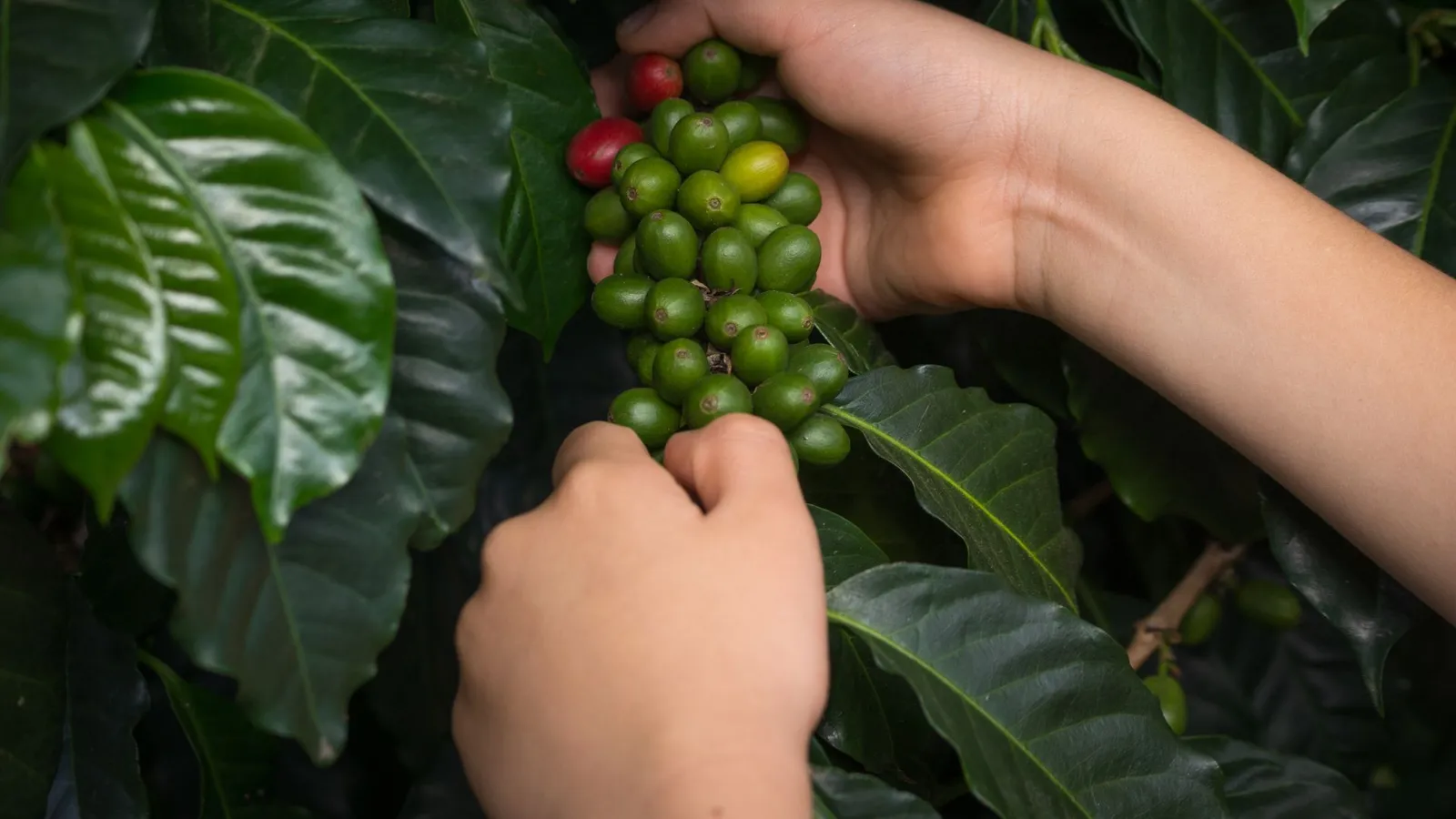
Green beans are hygroscopic. Every week at sea, every humidity swing in a warehouse, moves moisture in and out of the bean and dulls the aromatics that make a Quindío lot taste like Quindío.
What roasting at origin protects
- Flavour integrity — the roaster knows the lot, the farm and the season.
- Traceability — farm to roast happens inside one company.
- Consistency — the same profile in Armenia and in Melbourne.
Sealed, one-way-valve bags then hold that profile for months — which is why a bag roasted six weeks ago in Colombia can still outperform one roasted last week from tired green.
Both of the brands we import work this way: Café Quindío roasts in Armenia, Quindío, and Dios Mío Coffee roasts in Colombia before shipping. Read how each one works on its brand page.
Brands in this story

Armenia, Quindío — Colombia's coffee axis
Specialty coffee from the heart of the Eje Cafetero — 34 years, 40 coffee shops, roasted where it is grown.
More from Café Quindío
Colombia — 100% Colombian, roasted at origin
Premium 100% Colombian coffee at an accessible price — the brand that brought Colombian pride to the mass market.
More from Dios Mío CoffeeTags
- origin
- roasting
- cafe-quindio
- dios-mio