Flavour and origin
Authentic flavours & aromas
Flavour is geography you can taste, and it begins with a band around the middle of the planet.
No coffee tastes the way it does by accident. Latitude decides where the plant can live at all; altitude, soil, rainfall and temperature decide what the cherry becomes; and the way a country farms decides how much of that survives to your cup.
The Coffee Belt
Coffee is grown in a band that wraps around the equator between the Tropic of Cancer in the north and the Tropic of Capricorn in the south. Almost every producing country in the world sits inside it.
The reason is simple. The plant cannot take frost and does not like extremes. Inside the tropics it finds what it needs: steady temperatures through the year, a wet season and a dry season to drive flowering and ripening, and mountains that provide altitude without leaving the warm latitudes.
Within that band the differences are enormous. A change of a few hundred metres in altitude, a different soil, a shorter dry season or a different prevailing wind will move the cup further than most of what a roaster can do afterwards.
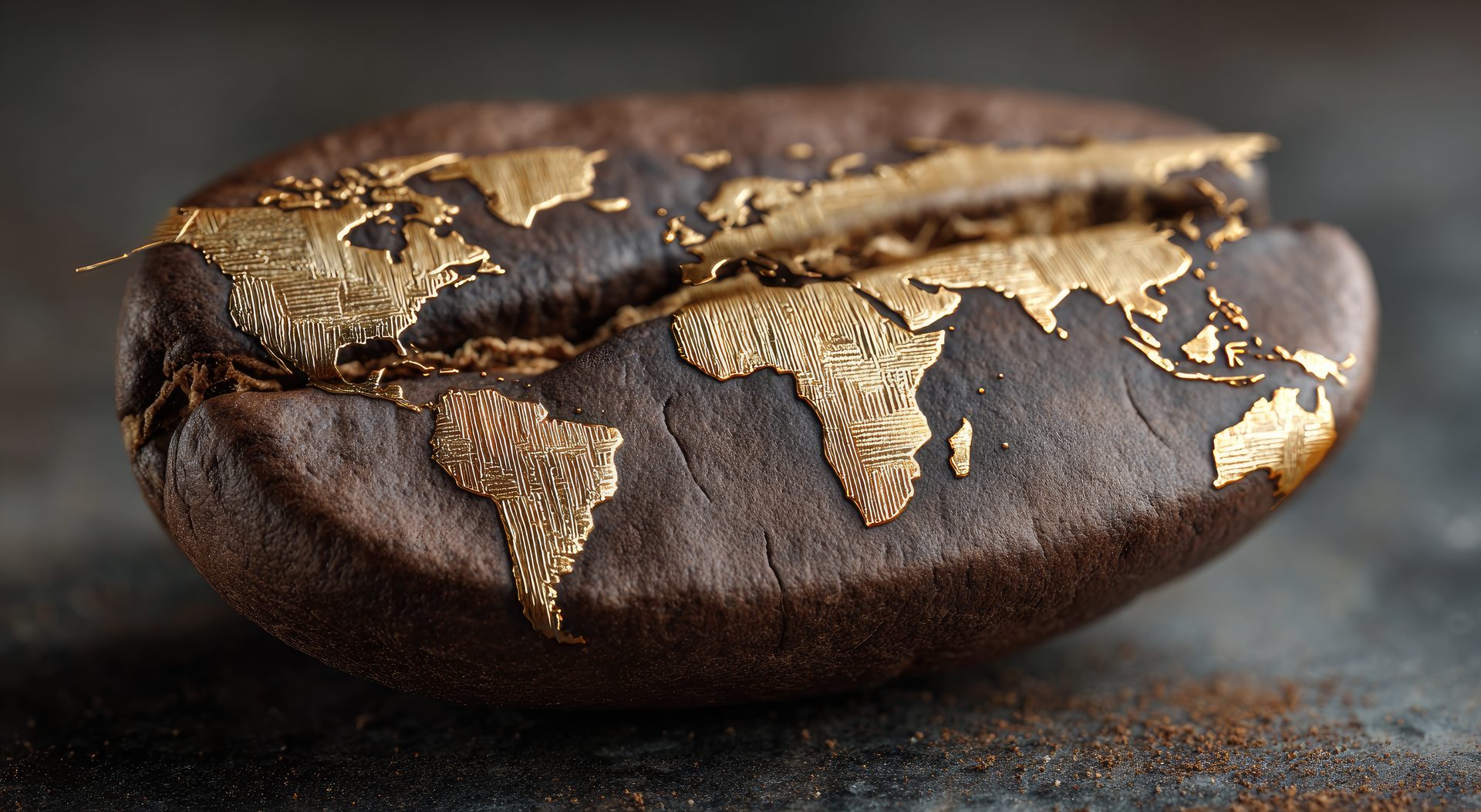
The main producing regions
Origins are usually grouped into three broad areas. What follows are tendencies rather than rules: varietal, altitude and processing can move any coffee a long way from its neighbours.
Latin America
Colombia, Brazil, Peru, Costa Rica, Guatemala, Honduras and their neighbours. Washed Arabicas here tend towards balance and clarity: chocolate, caramel and nut, with a clean, rounded acidity.
Africa
Ethiopia, where the species originates, along with Kenya, Rwanda, Burundi and Tanzania. Often the most aromatic coffees in the world: floral, citric, berry-like and tea-like, with a bright, pronounced acidity.
Asia-Pacific
Indonesia, Vietnam, India and Papua New Guinea. Typically fuller in body and lower in acidity, with earthy, woody, herbal and spiced notes. Vietnam is also the centre of world Robusta production.
You will sometimes see an average cupping score quoted per country. We would rather not publish one, because an average hides the only thing that matters here, which is the individual lot. Where we can state a score, we state it on the product page for that specific coffee.
Colombia: many cups, one country
Colombia is unusual. The Andes split into three cordilleras as they cross the country, so coffee is grown on hundreds of separate mountain faces, each with its own altitude, aspect, rainfall and soil.
Much of that soil is volcanic: deep, well drained and rich in minerals, which is close to what a coffee tree would choose for itself. Add a tropical latitude, altitude to slow the ripening and a climate that changes from one valley to the next, and the result is a country that produces genuinely different coffees rather than one national profile.
It also means Colombia harvests for most of the year. Many regions have two crops, the main harvest and the smaller mid-year mitaca, and they fall at different times in different departments, so fresh coffee is coming off the mountain somewhere in the country in most months.
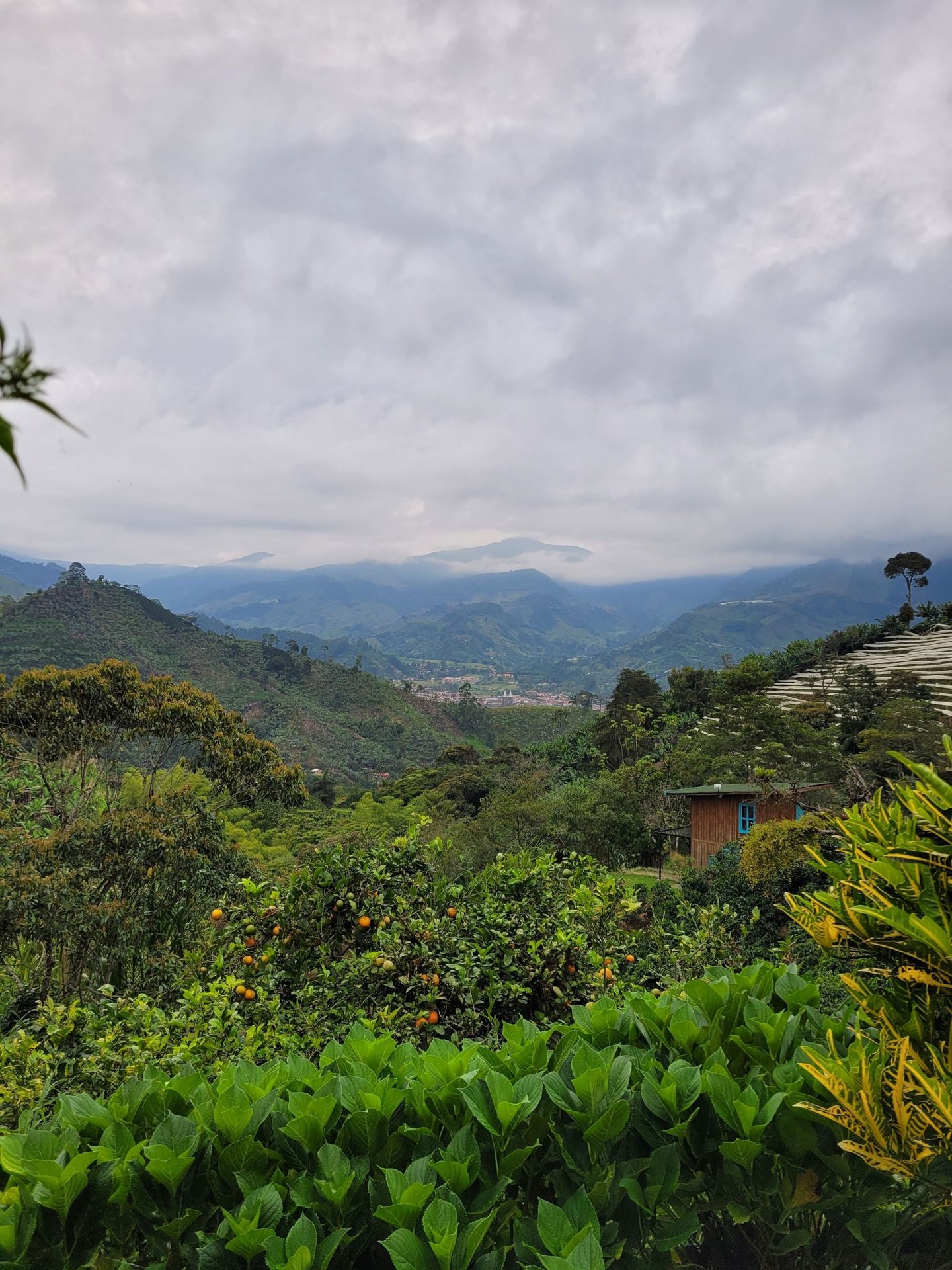
A few of the growing regions
Tendencies again, not guarantees. Two farms on the same mountain can give you two different coffees.
Eje Cafetero: Quindío, Risaralda, Caldas
The classic Colombian profile, and a UNESCO-listed cultural landscape. Balanced and approachable: caramel and cocoa sweetness, gentle citric acidity, medium body.
Antioquia
A large, varied department with a long farming tradition and a deep base of smallholder producers. Often nutty and chocolatey, with a rounded acidity.
Huila
High altitude and steep valleys in the south. Frequently the most fruit-forward and aromatic Colombian coffees, with a pronounced sweetness.
Nariño
Some of the highest-grown coffee in the country, close to the Ecuadorian border. Bright, crisp acidity with a distinctly floral, fruity character.
Tolima and Cauca
Mountain regions with cool nights and marked swings between day and night temperatures, which slow the ripening. Sweet, juicy cups with lively acidity.
Sierra Nevada de Santa Marta
A coastal massif in the north, much of it farmed by Indigenous communities. Lower altitudes than the Andes, giving softer acidity, fuller body and chocolate and dried-fruit notes.
The Federación Nacional de Cafeteros seal
The Federación Nacional de Cafeteros de Colombia was created in 1927 by the growers themselves. It is a non-profit that represents hundreds of thousands of Colombian coffee families and, among much else, sets and defends the standard for what may be sold as Colombian coffee.
That standard is what the 100% Colombian Coffee seal, the one carrying Juan Valdez and his mule, certifies. It is licensed by the Federación, and a pack may only wear it when the coffee inside is entirely Colombian and meets the Café de Colombia quality requirements. It is a guarantee of origin and of grade at the same time. It says nothing about where the coffee was roasted; no seal certifies that.
Colombian Coffees Australia only carries product that carries that seal. It is the simplest test we know for the promise we make: 100% Colombian, with nothing blended in on the way.
Frequently asked, about origin
- What is the Coffee Belt?
- The tropical band between the Tropic of Cancer and the Tropic of Capricorn, where the climate allows coffee to be grown commercially. Coffee cannot take frost and needs steady temperatures and a defined wet and dry season, which is why nearly every producing country sits inside that band.
- Why does Colombian coffee taste different from region to region?
- Because Colombia is not one growing area but hundreds. The Andes split into three ranges across the country, so altitude, soil, rainfall and aspect change from one mountain face to the next, and volcanic soils and a tropical climate do the rest. A Nariño coffee and a Sierra Nevada coffee can taste nothing alike.
- What does the 100% Colombian Coffee seal guarantee?
- That the coffee in the pack is entirely Colombian and meets the quality standard the Federación Nacional de Cafeteros sets for Café de Colombia. The seal is licensed rather than self-applied, and every brand we carry works to it. It covers the green coffee's origin and grade, not where the coffee was roasted - there is no certification for that.
Related reading
The other two parts of the same story: what we look for in a coffee, where its flavour comes from, and how it is protected on the way to you.
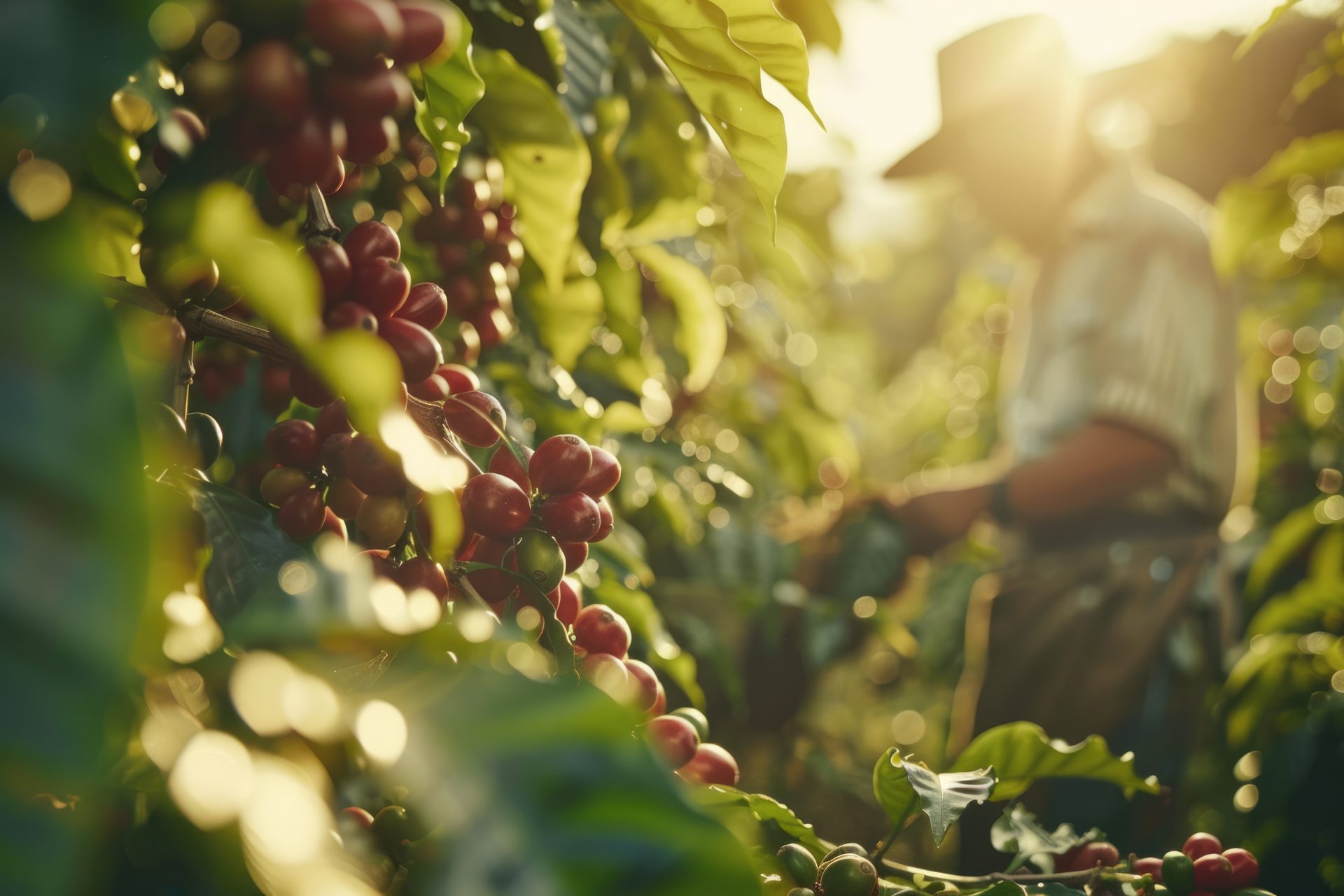
High quality beans
What the SCA is, how the quality pyramid works, Arabica and Robusta, and why single origin is the foundation of traceability.
Read this page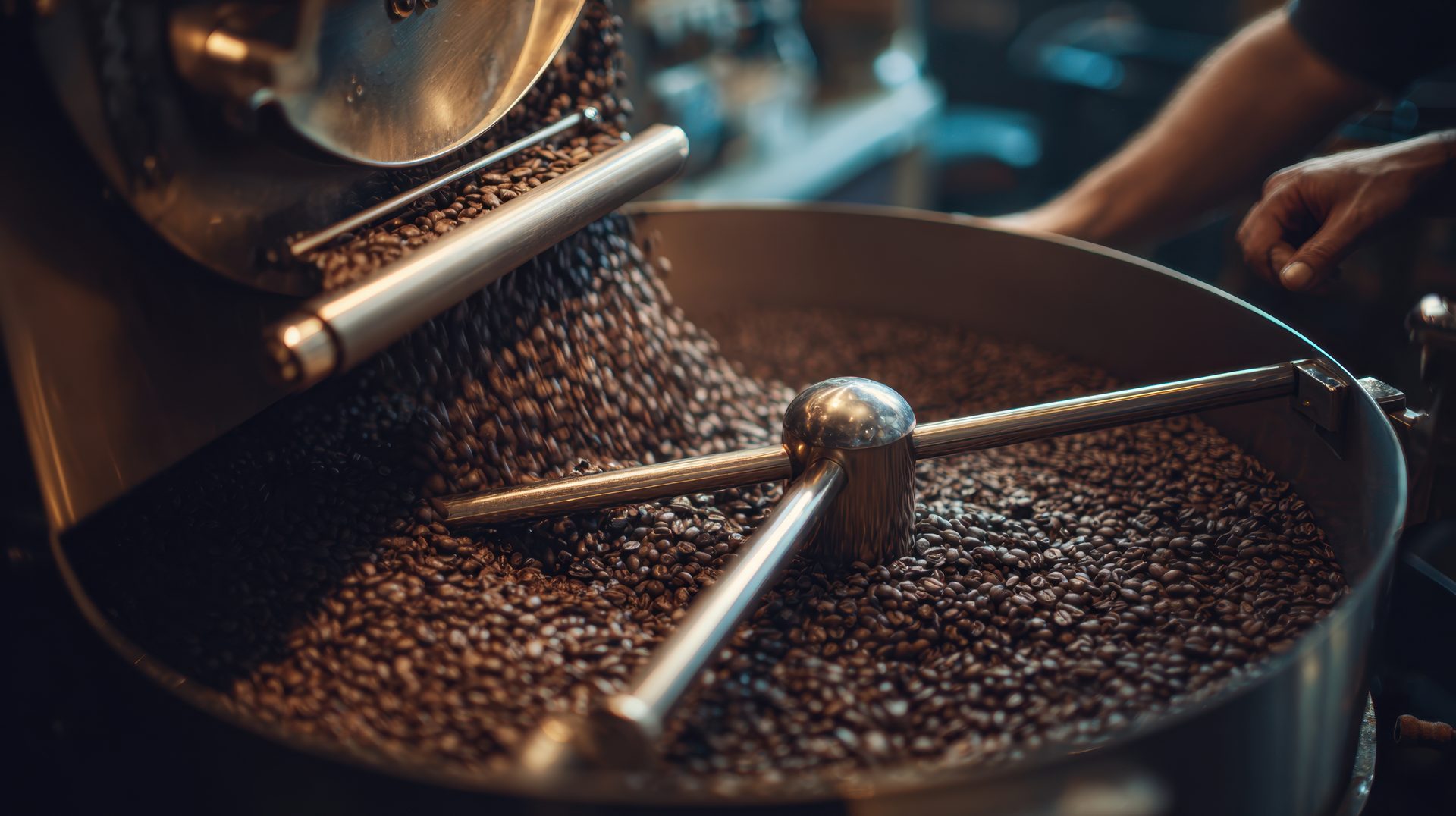
Freshly roasted
Roasting at origin and roasting locally, explained side by side, plus what the roast date tells you and how to keep a bag tasting its best at home.
Read this pageTaste it for yourself
Every coffee we carry is 100% Colombian, roasted and packed at origin by the brands that made it.