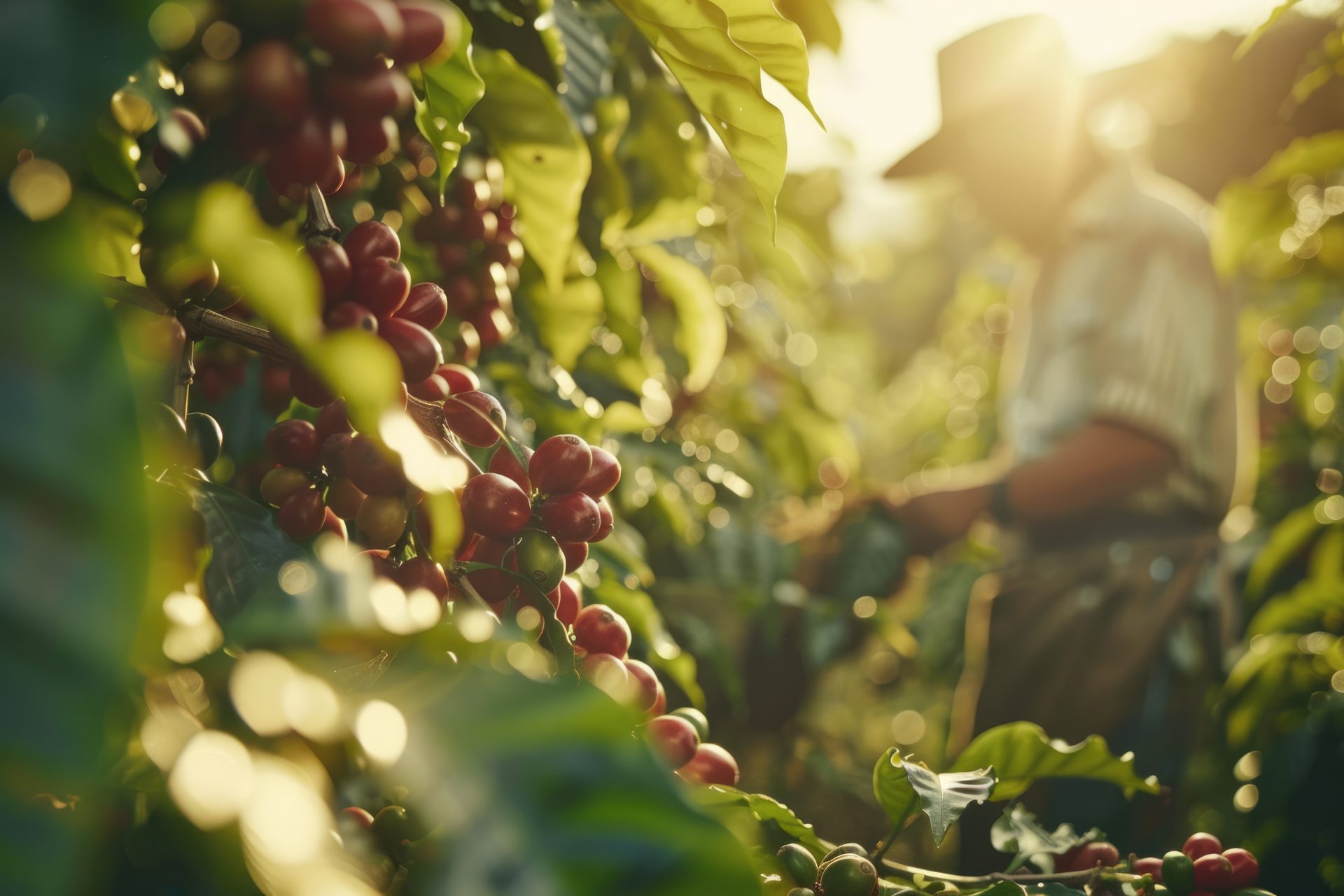
Specialty coffee
High quality beans
Quality is not a claim on a label. It is a set of standards, measured the same way everywhere.
Everything on this site starts here. Before flavour, before roast profile, before any story about a region, there is a simple question: is the green coffee good, and how do we know? The specialty industry answers it with a shared method rather than an opinion.
The SCA, and what it actually does
The Specialty Coffee Association is a non-profit, membership-based body that brings together growers, exporters, importers, roasters, baristas and equipment makers. It exists so that a producer in Quindío and a buyer in Melbourne can describe the same coffee in the same terms.
Its most visible work is the protocols: how a green sample is graded for defects, how it is roasted for evaluation, how it is brewed for cupping, and how a panel of trained graders scores what is in the cup. The result is a number on a 100-point scale, produced by a repeatable method rather than by preference. Coffee that scores 80 points or more is what the industry calls specialty.
The coffee quality pyramid
Most of the coffee grown in the world sits at the base of this pyramid. The tip is narrow because it depends on everything upstream going right: the varietal, the altitude, the picking, the process, the drying, the storage and the roast.
Specialty, 80 points and above
Green free of primary defects, cupped under protocol by qualified graders and scored at 80 or more on the 100-point scale, and traceable to a region, a farm or a defined group of producers.
Premium
Carefully produced coffee, often single origin, that either does not go through a formal cupping and scoring process or scores below the specialty threshold.
Commercial
The bulk of world production: blended to a price point and a consistent profile, sold without reference to a particular farm, and often finished as instant or supermarket coffee.
What specialty coffee means
Specialty is not a marketing adjective. It is a threshold, and it is earned lot by lot: the green has to be free of primary defects, screened for size, cupped to protocol and scored by graders who are trained and calibrated for the job.
Reaching it is the sum of a lot of small decisions. Planting the right varietal at the right altitude. Picking only ripe cherries, which means going through the same tree several times in a harvest. Controlling the fermentation and the drying. Storing the green well. Roasting to reveal what is there rather than to cover it.
It also means the coffee can be described honestly. A specialty lot arrives with a record: where it grew, who grew it, how it was processed and how it scored.
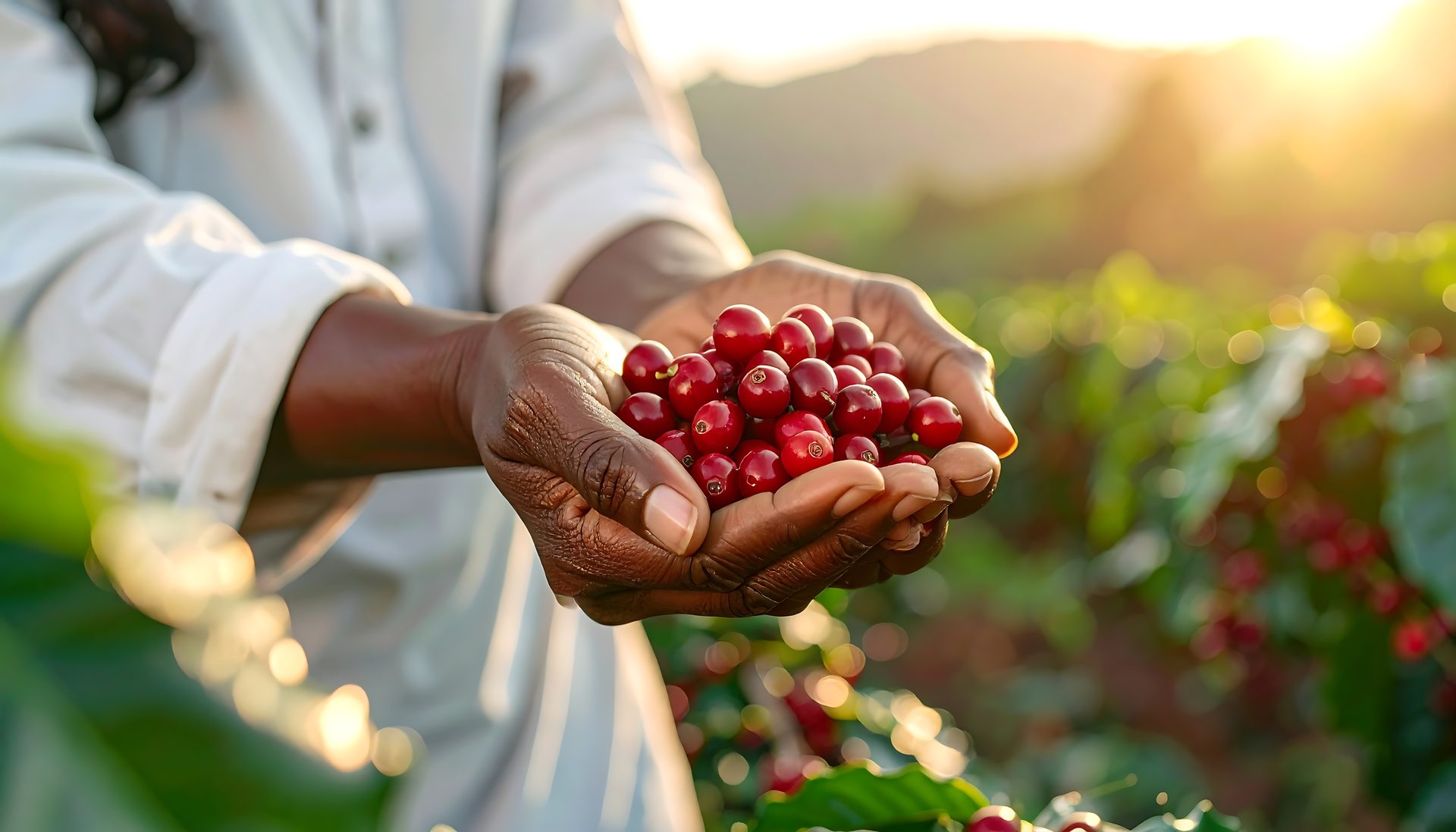
Arabica and Robusta
Two species account for almost all the coffee traded in the world: Coffea arabica, and Coffea canephora, which the trade calls Robusta. They are not two grades of the same thing. They are different plants, grown in different conditions, and they taste different.
Arabica grows at higher altitudes in cooler climates. The cherry matures slowly, and much of its sweetness, aromatic complexity and clean acidity comes from that slow ripening. It is also the more delicate plant: more exposed to disease, and more demanding of shade, altitude and care.
Robusta is hardier. It tolerates heat, lower altitudes and a wider range of soils, yields more per tree and carries noticeably more caffeine. In the cup it is heavier in body, more bitter and less aromatic, which is why it dominates instant coffee and low-cost blends, and why some espresso blends use a little of it for body and crema.
Colombia grows Arabica. The Federación Nacional de Cafeteros standard our brands work to is built entirely around it.
Why single origin is the foundation
A single-origin coffee comes from one identified place - a region, a municipality, a farm or a defined group of producers - and from one harvest. That single fact is what makes the other claims on this page possible.
Traceability, because a name can be checked. Quality, because the lot is judged on its own merits instead of being averaged into a blend built to a price. Consistency, because the same land, the same varietals and the same producers come back season after season, so you can buy the same coffee again.
And authenticity: what you taste is a place, not a recipe assembled to hit a number. Blends are a craft of their own and we have nothing against them, but the claim we make is about knowing exactly where a coffee came from.
Frequently asked, about quality
- What makes a coffee specialty?
- Green that is free of primary defects and has been cupped under the Specialty Coffee Association protocol by trained graders, scoring 80 or more on a 100-point scale. It is a measured threshold, not a marketing term.
- Is Arabica always better than Robusta?
- They are different species grown for different purposes. Arabica, grown slowly at altitude, gives more acidity, sweetness and aroma. Robusta is hardier, higher in caffeine, heavier in body and more bitter. Almost all specialty coffee is Arabica, and everything we carry is Colombian Arabica.
- Why does single origin matter?
- Because it is what makes a coffee checkable. When a coffee comes from one identified region or farm and one harvest, you can trace it, compare it season to season, and taste the place rather than a recipe.
Related reading
The other two parts of the same story: what we look for in a coffee, where its flavour comes from, and how it is protected on the way to you.
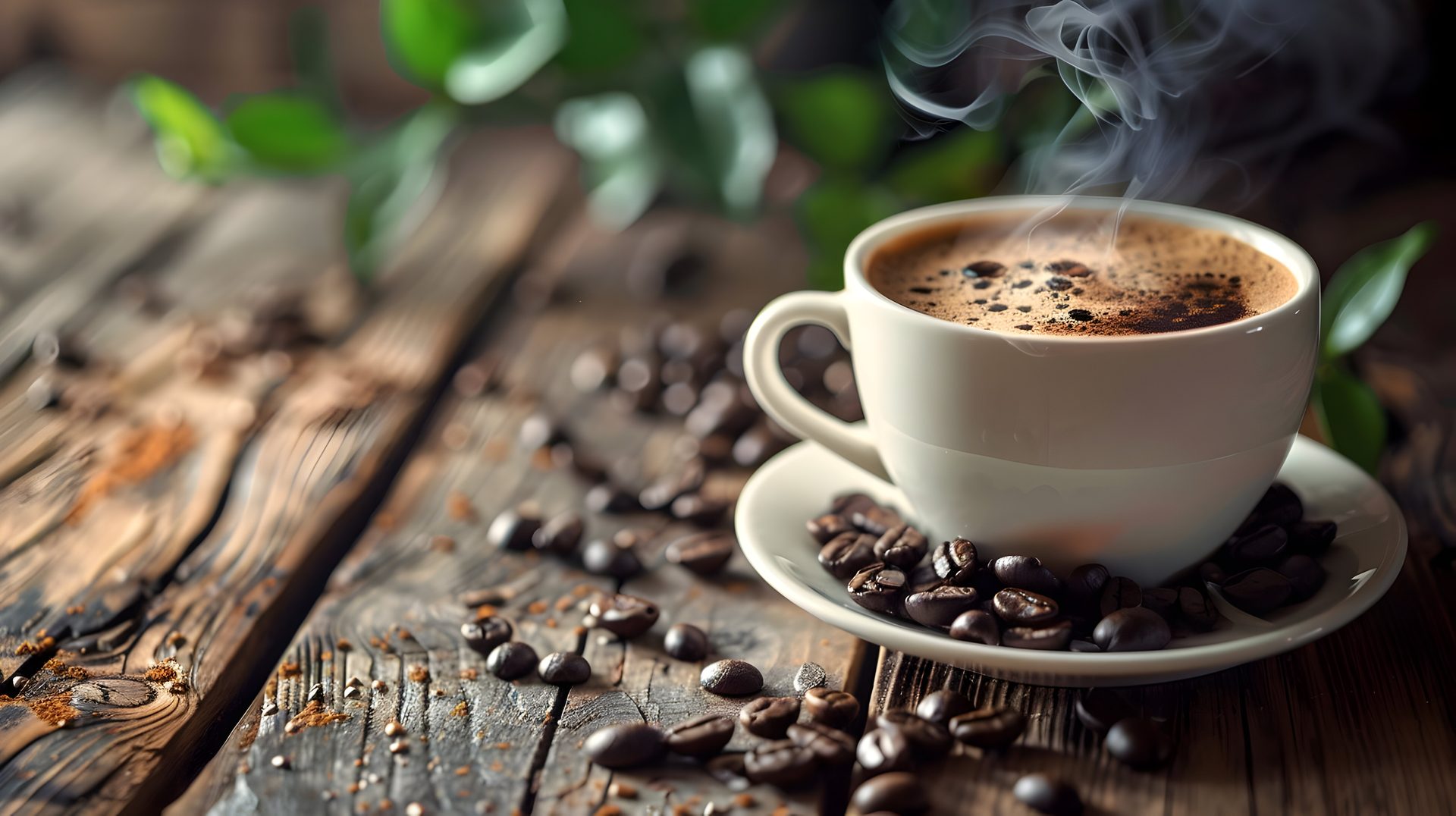
Authentic flavours & aromas
The Coffee Belt, the world's main producing regions, and why one country can hold so many different cups.
Read this page
Freshly roasted
Roasting at origin and roasting locally, explained side by side, plus what the roast date tells you and how to keep a bag tasting its best at home.
Read this pageTaste it for yourself
Every coffee we carry is 100% Colombian, roasted and packed at origin by the brands that made it.