Freshness
Freshly roasted
Two good answers to the same problem. Here is what each one protects, so you can decide.
There are two honest ways to put fresh coffee in front of someone, and the industry argues about them more than it needs to. Roast at origin and seal the coffee early, or ship it green and roast it locally, here in Australia. Both work. They protect different parts of the same journey.
The clock starts at the tree
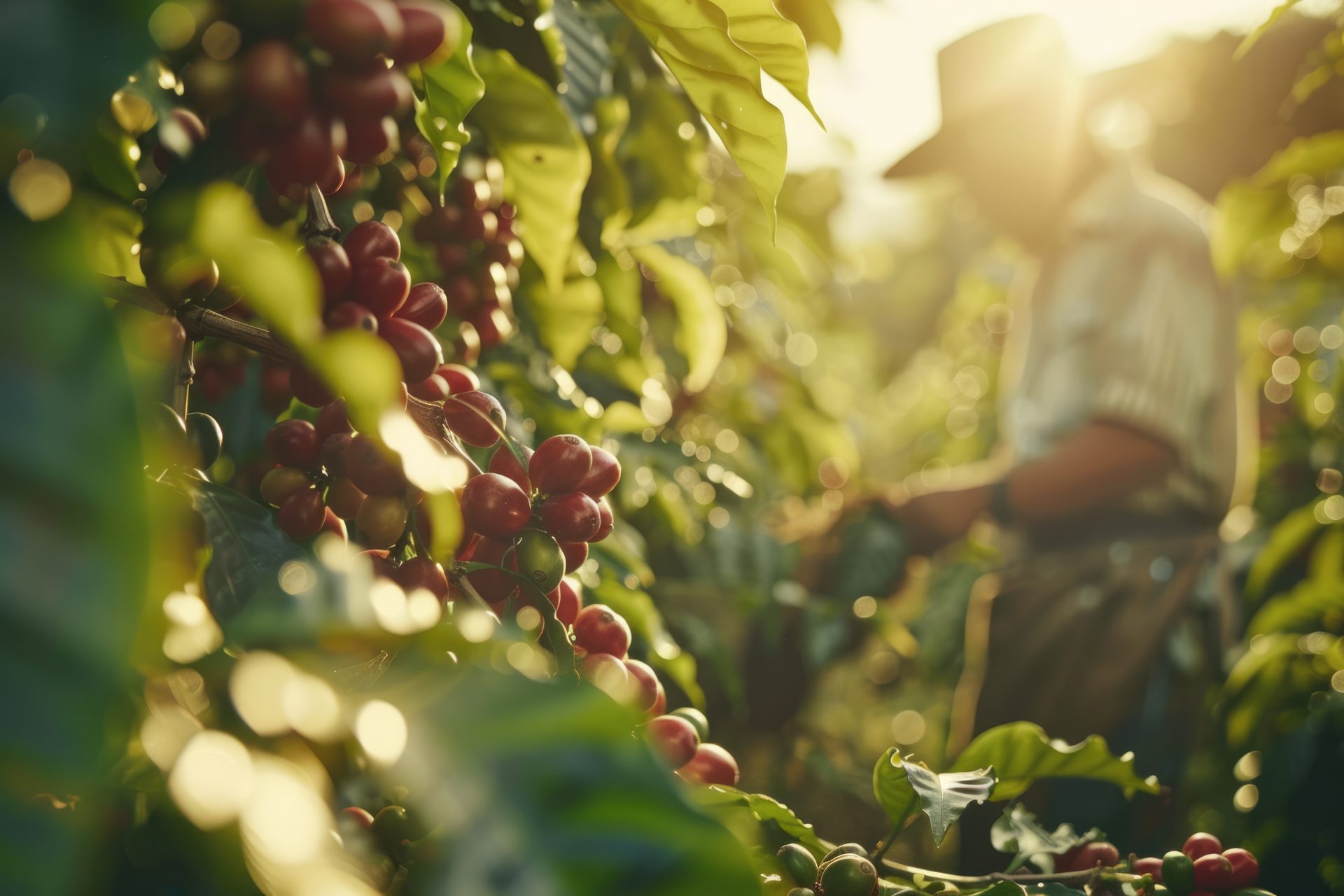
Coffee is at its best inside the cherry. From the moment it is picked, everything that happens is either protecting what is there or spending it: pulping, fermenting, drying, storing, shipping, roasting, grinding and finally brewing.
What degrades coffee is exposure - to oxygen, moisture, heat and light - over time. Time on its own is not the enemy. A sealed bag in a cool cupboard and an open one on a sunny bench age at completely different rates, and that difference is not printed anywhere.
Freshness is not a date. It is how much the coffee has been exposed, and for how long.
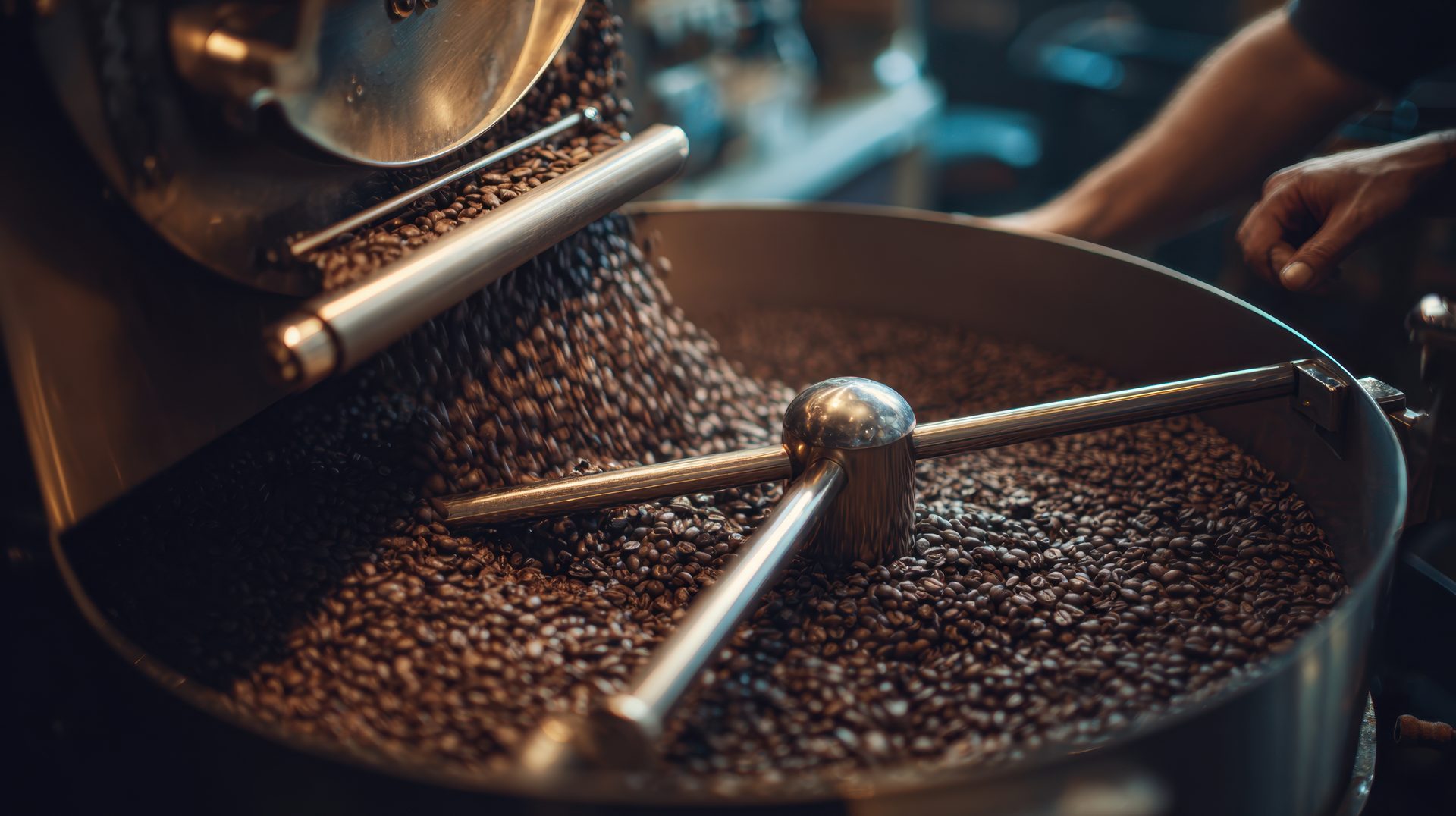
Roasting at origin
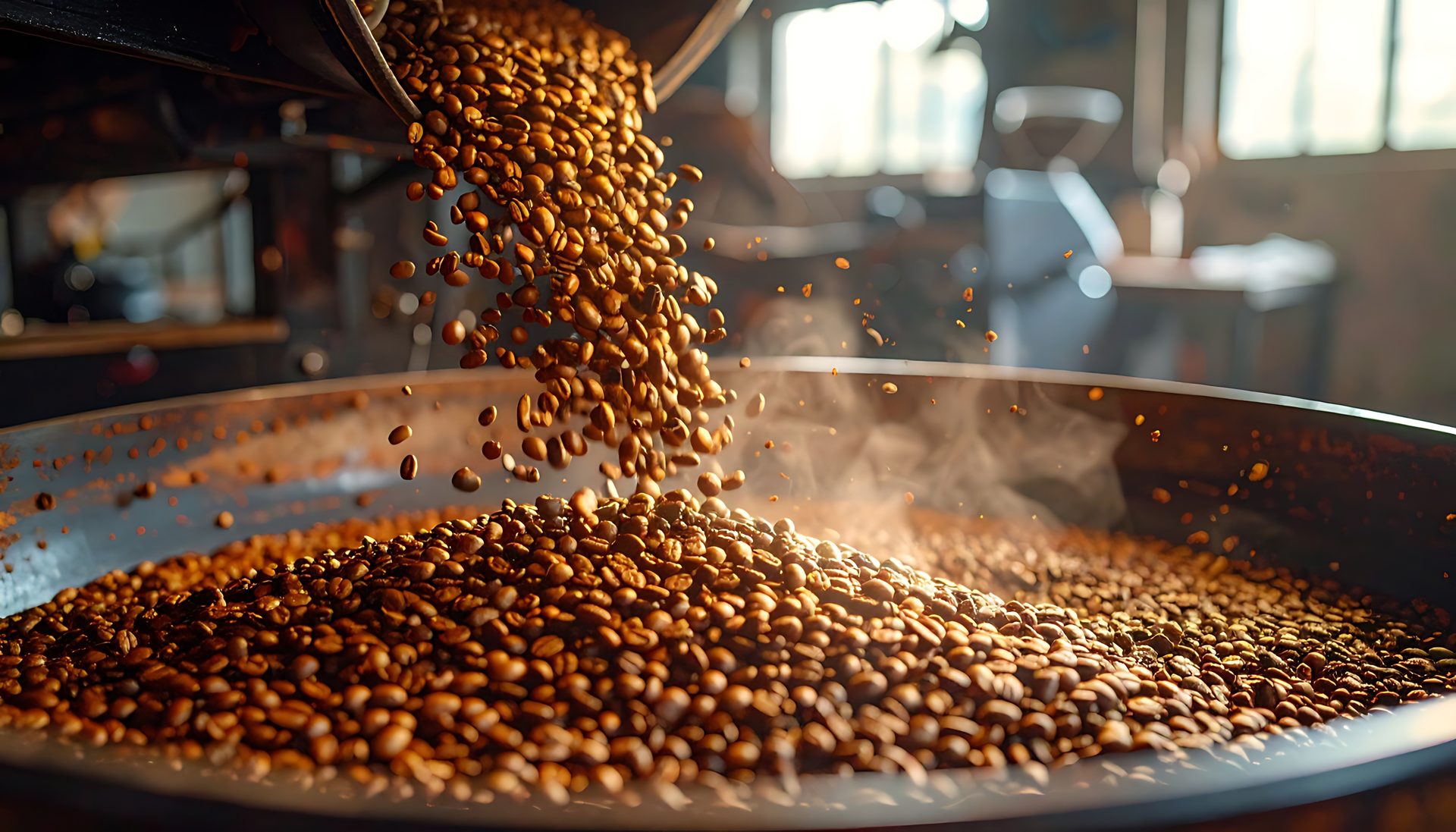
Roasting where the coffee grows means the green spends very little time as green. It is roasted in the region it came from, by people who cup that harvest every season, and sealed straight away into a one-way-valve bag that lets carbon dioxide out and keeps oxygen out.
From that point the coffee travels in the state it will be drunk in, protected by its packaging rather than by a warehouse. The long leg of the journey happens after the coffee has been locked in rather than before.
What it gives you
The profile is captured close to the harvest, in its own region, by a roaster who knows the lot. The coffee crosses the world sealed, so what you open in Australia is what is opened in Colombia.
What it trades
The roast date is further from your cup, and the roast profile is chosen before the coffee leaves. You are relying on the seal and the handling rather than on proximity.
Roasting locally
Green coffee is comparatively stable. Stored cool, dry and sealed it keeps for months, which is why the global coffee trade is overwhelmingly a trade in green beans. Shipping green and roasting locally is the model most Australian roasters are built on.
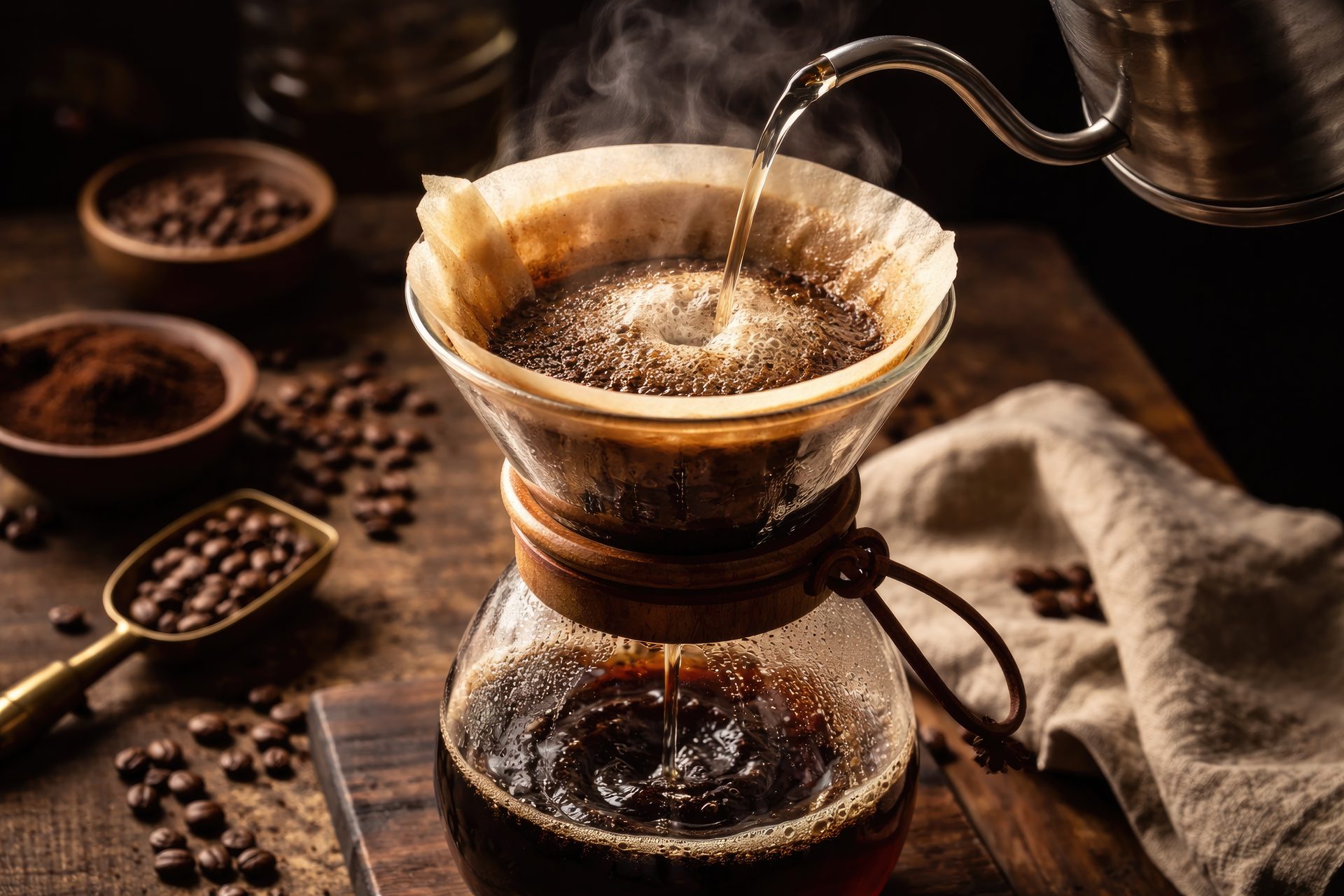
Its real advantage is the last few weeks. The bag on the shelf was roasted days ago; the roaster can tune the profile to local water, local machines and local taste, adjust it as the green ages, and build blends across several origins in a single batch, which is far harder to do from one origin.
What it gives you
A just-roasted bag, a profile tuned to the local market, longer and more forgiving storage while the coffee is still green, and the freedom to blend across origins.
What it trades
The green has to be shipped and stored well for months before anyone roasts it. Green coffee takes on and gives up moisture with the conditions around it, and a roast cannot restore aromatics lost on the way.
Two routes to the same cup
The same stages in a different order. One route seals the coffee before the long leg; the other roasts it after.
Roasted at origin
Sealed before the long leg
Roasted locally
Roasted days before you brew
What actually protects coffee
Whichever route a coffee takes, the same handful of things decide how much of it survives. A one-way valve that vents carbon dioxide without letting oxygen in. A bag that is properly resealed rather than folded over. Whole beans rather than ground, because grinding multiplies the surface exposed to air. Cool, dry, dark storage at every stop. And a roast date printed on the pack, so you can judge for yourself.
Planning matters too. Coffee roasted against real orders spends less time waiting than coffee roasted against a forecast, and stock that sells through does not sit.
Freight follows the same logic. Sea freight is the norm, and on that leg the sealed bag does the work; where a line is prioritised it can instead travel by air, which shortens the trip considerably. We will confirm the mix for each shipment as the range lands rather than promise one in advance.
Where we sit
The brands we represent roast and pack in Colombia, in the regions their coffee comes from, and seal it there. That is the model they were built on, and it is what lets an Australian cup taste the way the same coffee tastes at home.
That is a choice, not a verdict. Australia has excellent roasters doing excellent work with green coffee, and if what you want is a bag roasted a few days ago down the road, buy one. What we offer is the thing you cannot get that way: Colombia's own brands, exactly as Colombia drinks them.
Keeping it fresh at home
The last few weeks of a coffee's life are yours. These five habits are worth more than any storage gadget.
Keep it sealed
The valve bag is the best container in your kitchen. Press the air out and reseal it after every use.
Away from light and heat
A cupboard, not the bench beside the machine or the shelf above the oven.
Do not refrigerate
A fridge is humid and full of smells, and coffee takes on both.
Grind to order
Ground coffee goes flat in minutes, not weeks. Grind what you are about to brew.
Three to four weeks
Once the bag is open, aim to finish it within three to four weeks.
Frequently asked, about freshness
- Is it better to roast at origin or to roast locally?
- Neither is better in the abstract; they protect different parts of the journey. Roasting at origin captures the profile close to the harvest and seals it for the trip. Roasting locally gives you a bag roasted days ago and makes blending across origins straightforward. Neither route is certified - no seal covers where a coffee is roasted - so the things worth checking are the same either way: the roast date on the pack, and how well the coffee was handled and sealed.
- Is coffee roasted overseas still fresh when it arrives?
- It can be, if it was sealed properly. Roasted coffee in a one-way-valve bag vents its own carbon dioxide while keeping oxygen out, and holds its profile for months when it is stored cool and dark. Once the bag is opened, the same clock applies as to any other coffee.
- How should I store coffee at home?
- Keep it in its sealed valve bag, airtight, away from light and heat. Do not refrigerate it, grind to order, and aim to finish the bag within three to four weeks of opening.
Related reading
The other two parts of the same story: what we look for in a coffee, where its flavour comes from, and how it is protected on the way to you.
High quality beans
What the SCA is, how the quality pyramid works, Arabica and Robusta, and why single origin is the foundation of traceability.
Read this page
Authentic flavours & aromas
The Coffee Belt, the world's main producing regions, and why one country can hold so many different cups.
Read this pageTaste it for yourself
Every coffee we carry is 100% Colombian, roasted and packed at origin by the brands that made it.